On restraint in floral design
The case for fewer stems, better varieties, and one architectural gesture per room.
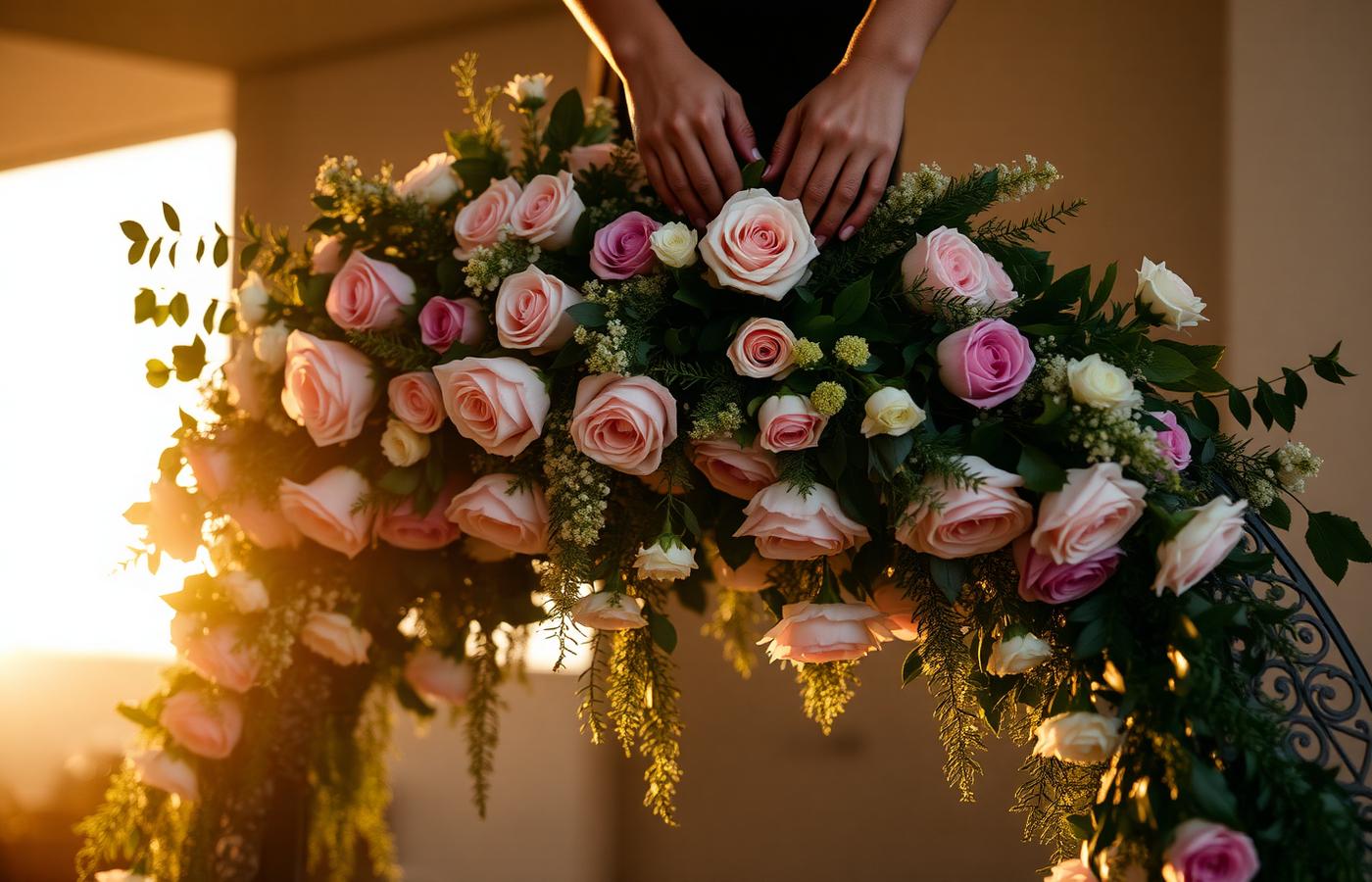
The most memorable florals are almost never the most abundant. Restraint reads as intention, and intention reads as luxury.
The mistake most couples make — and most planners let them make — is to treat the mood board as a mood test. Does this feel like us? Does that feel warm enough? These are the wrong questions. A mood board's job is not to feel; it is to decide.
At Maison Noire we draft the first pass by hand, at the atelier, during the first afternoon we spend with a couple. The reason is boring and important: a pencil forces us to commit. There is no undo. We put the wrong flower on the wrong table, look at it, and cross it out. What survives has been chosen.
Nine references, no more
Every mood board we've ever built for a Maison Noire wedding has exactly nine references. Three for the room, three for the palette, three for the emotional temperature. Not one more, not one fewer. Nine is enough to triangulate a direction and few enough that we cannot hide behind volume.
"If a tenth image joins the board, one of the first nine has to go. This is the rule that saves the room."
The last thing worth saying: the mood board is a promise, not a suggestion. When the linen arrives on the morning of the wedding and it does not match reference number four, we send it back. This is the whole job.
What we cut, and why
Most working mood boards contain furniture. Ours never do. Furniture selection happens after palette lock, in a separate document, because it involves negotiation with rental houses months out. Mixing timelines onto the mood board is the fastest way to burn a couple's confidence when a chair swatch changes in July.
The mood board is a single evening's atmosphere, distilled to nine images. Guard it accordingly.